



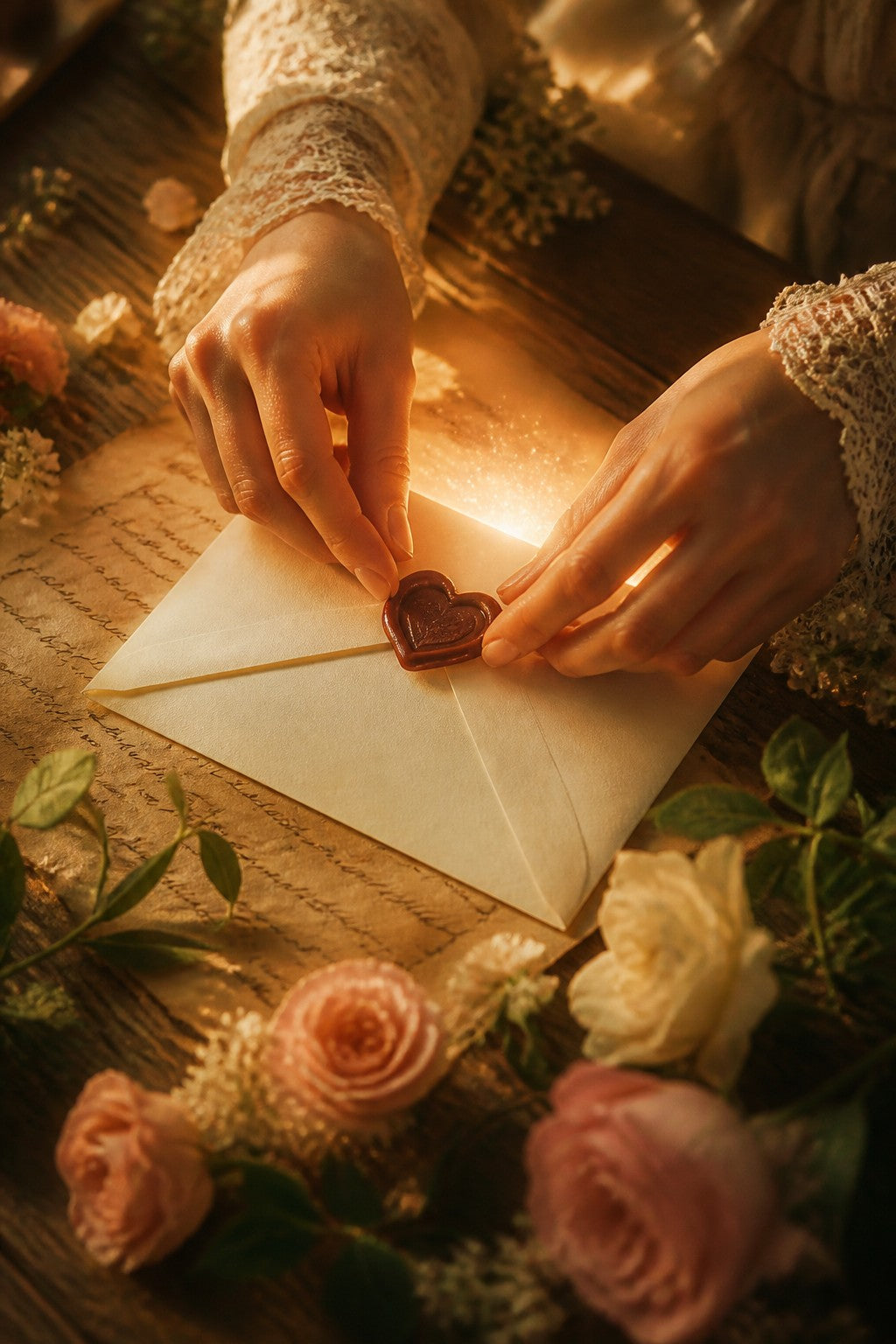
Most of us carry quiet appreciation for people who have shaped our lives. A teacher who believed in us. A friend who showed up at the right time. A neighbor whose small kindnesses brightened ordinary days. Often we never tell them. A gratitude letter is a simple way to change that.
Writing and sharing a letter of appreciation is a gentle form of lightwork. It brings warmth to the person who receives it and deepens your own sense of connection. This guide explains how to write a gratitude letter, ways to share it and how to make the practice part of your life.

What is a gratitude letter?
A gratitude letter is a personal note that tells someone specifically how they made a positive difference in your life. Unlike a quick thank you, it takes time to describe what they did, how it affected you and what it still means to you.
It can be handwritten, typed, read aloud or sent by email. The form matters less than the sincerity.
Why gratitude letters are lightwork
Lightwork is about increasing kindness and connection in the world. A gratitude letter does this directly. It:
- Lets someone know their actions mattered.
- Strengthens your relationship.
- Encourages you to notice the good in your life.
- Creates a ripple of warmth that may inspire the recipient to appreciate others.
Gratitude also has a way of shifting your own attention. As you reflect on what someone gave you, you naturally feel more connected and supported.
Choosing who to write to
Start by making a list of people who have made a difference to you. Consider:
- Family members.
- Teachers and mentors.
- Friends, past and present.
- Colleagues.
- Neighbors or community members.
- Someone who helped you briefly but meaningfully.
Choose one person to begin with. It might be someone you have never properly thanked.
How to write the letter
Begin with a greeting
Address the person warmly. "Dear Maria" or "Hi Sam" is perfect.
Describe what they did
Be specific. Instead of "Thank you for helping me," try "Thank you for staying after class to explain fractions to me when I was struggling." Specific details make gratitude feel real. Read How to Be Specific About Gratitude for more on this.
Share how it affected you
Explain what their action meant. "That afternoon I stopped feeling stupid and started enjoying math."
Connect it to today
Describe how their influence continues. "I still think of you whenever I help someone else learn something new."
Close with warmth
End with a simple expression of appreciation. "Thank you for your patience and kindness. It mattered more than you knew."
Length and tone
A gratitude letter does not need to be long. Around one page is plenty. Write in your natural voice. It does not need to be poetic. Sincerity is more powerful than polished language.
Ways to share it
- Deliver it in person and, if you both feel comfortable, read it aloud.
- Mail a handwritten copy. Physical letters are often treasured.
- Send by email or message if distance makes other options difficult.
- Include it with a small gift, such as a flower or a stone.
Some people feel shy about sharing. That is normal. Remember that most people are deeply touched to receive heartfelt appreciation.
When you cannot send it
Sometimes the person is unreachable, or sharing would not be appropriate. Writing the letter can still be meaningful. You might keep it in a journal or place it on your altar. The post Writing a Letter You May Not Send explores this gentle practice.
Making it a regular practice
Consider writing one gratitude letter each month. Over a year, you will have shared appreciation with twelve people. Some ideas:
- Mark a date on your calendar for letter writing.
- Keep a stack of nice cards and envelopes ready.
- Light a candle and make the writing a small ritual.
- Keep a list of people you would like to thank.
Gratitude letters with family
Families can enjoy this practice together. Children might draw pictures or write short notes to grandparents, teachers or friends. Writing letters as a family can become a lovely seasonal tradition. You might pair it with a family Gratitude Jar.
Gratitude letters to yourself
You can also write a letter of appreciation to yourself. Thank yourself for the effort you have made, the kindness you have shown and the challenges you have faced with courage. This can be a powerful practice in self compassion.
Creating a writing ritual
Many people find that a small ritual helps them slip into a reflective state:
- Choose a quiet time and place.
- Light a candle.
- Hold a crystal for a few breaths.
- Think of the person and how they made you feel.
- Write slowly and from the heart.
A warm candle such as the Scent of Nirvana Meditation Candle can add a peaceful glow to your writing time.
Prompts to get started
- Who taught me something I still use today?
- Who made me feel welcome when I was new?
- Who believed in me before I believed in myself?
- Who made me laugh when I needed it most?
- Whose kindness surprised me?
The ripple of appreciation
When you share a gratitude letter, you may never know the full impact. The recipient might reread it on a hard day. They might be inspired to thank someone else. Appreciation tends to spread. Each letter adds a little more light to the world.
Closing thought
Gratitude is one of the simplest and most powerful forms of lightwork. A letter takes only a little time, yet it can be remembered for years. Think of one person who has made a difference in your life, and consider writing to them this week. Your words may be exactly the light they need.
For more on gratitude in daily life, read How to Leave a Role With Gratitude.
Can we pray for you?
Fill out a request here, and we will gently hold your prayer, intention, or gratitude in light.


